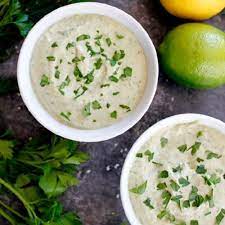

Lemon Butter is also known as Lemon Curd. It’s a sweet-tart spread that’s made with lemons, butter, sugar and eggs. This spread has a rich texture and a bright citrus flavor that is perfect for spreading over toast, adding to yoghurt or filling tarts. Lemon butter’s golden color and zesty flavour add a little sunshine to any dish.
It’s easy to make lemon butter yourself. All you need is a few ingredients and some patience. The result is far superior to anything store-bought–fresher, more vibrant, and fully customizable to your taste.
Ingredients
The curd is about 2 to 2.5 cups:
- 4 large yolks of eggs (or 3 whole egg for a lighter version)
- Fresh lemon juice – 1/2 cup (125ml), about 2-3 lemons
- Finely grate 1 tablespoon of lemon zest
- 1/4 cup (150g), caster sugar, or finely granulated sugar
- Cut 100g (7 tablespoons), unsalted Butter into cubes
- Salt (enhances flavor)
Optional Additions:
- Half a teaspoon of vanilla extract (for an underlying sweetness)
- Extra zest for added intensity
- Cornstarch (cornflour) can be used to thicken the mixture (not always traditional, but sometimes used)
Tools You’ll Need
- Fine mesh sieve for straining lumps or zest
- Whistler
- Heatproof bowl
- Medium saucepan
- Spatulas or wooden spoons
- Jars and containers that are clean, sterilised and suitable for storage
Step-by-Step Instructions
Step 1: Prepare Your Ingredients
Wash and dry your lemons. Use a fine microplane to zest them, being careful not to damage the white bitter pith. Juice the lemons, then strain the juice and remove any seeds or pulp.
Separate the eggs and place the yolks in a heatproof medium bowl (glass, stainless steel). You can also use three whole eggs instead of the yolks if you want a curd that is lighter and less rich.
Step 2. Install a double boiler
Set up a Double Boiler to gently cook the butter without scrambling eggs. This method uses indirect heating to prevent curdling.
Place the heatproof bowl containing the egg yolks on top of a saucepan with simmering water. (Don’t allow the bowl to touch the water.) Add sugar, lemon juice and zest, as well as a pinch salt, to the eggs. Whisk until smooth.
Step 3: Cooking the mixture slowly
This step takes 8-12 minutes, depending on your heat level. This step can take 8-12 minute depending on the heat level. The mixture will thicken until it resembles custard, or sauce that coats back of the spoon.
Important: Do not rush through this step. Scrambled eggs can be caused by too much heat, or pausing while stirring. To ensure an even cooking, use a rubber spatula and scrape down the sides and bottom.
Step 4: Add butter and finish cooking
Remove the bowl once it has thickened. Add the butter cubes gradually, whisking until the mixture is glossy and smooth. If you’re using vanilla extract, stir it in now.
If desired, strain lemon butter through fine mesh sieves into a clean bowl/jug. This will remove the zest and give it a smooth finish.
Step 5: Jars and Storage
Pour the warm butter into clean, sterilized jars and airtight containers. Allow it to cool down to room temperature, then seal and refrigerate. As it cools, the mixture will continue to thicken.
Storage Tips
- Refrigerator: Homemade Lemon Butter lasts for up to two weeks when stored in an airtight container.
- Freezer: This product freezes beautifully. Place in freezer-safe containers. Leave a little space at the top. Freeze for 3 months. Let the food thaw overnight in the refrigerator before use.
Tip Use a clean fork when serving food to avoid bacteria.
Uses for Lemon Butter
Lemon butter has a wide range of uses. Try these ideas.
- Spread it on toast, muffins or scones
- Stir into Greek yogurt or oatmeal
- Filling for sponge cake, pavlovas or cupcakes
- Layering in trifles or parfaits
- Tart or cheesecake base
- Pour over waffles, pancakes or French toast
- Gift Idea: Pour the mixture into a decorative glass jar and decorate with ribbons and tags.
Recipe Variations
Orange or Lime Butter:
For a new citrus flavor, substitute lemon juice and zest for lime or orange. The lime gives it a more pronounced tang while the orange brings warmth and sweetness.
Passionfruit Lemon Butter:
For a tropical touch, add 2-3 tablespoons passionfruit pulp to the lemon juice.
Coconut Lemon Butter:
Add a bit of coconut cream or coconut flakes to the coconut oil instead of butter.
Troubleshooting Common Issues
1. My curd doesn’t thicken.
Continue to whisk over gentle heat. It may take 15 minutes for the mixture to thicken. You may not have cooked the mixture long enough if it doesn’t thicken after cooling.
2. It is eggy.
It may be that the eggs have been overheated, or they were not whisked constantly. Adding vanilla or more lemon zest can help mask this.
3. The curd or lumps are visible.
Pour remove any curdled bits, strain the mixture immediately through a fine mesh sieve. Use a lower temperature and constantly whisk to prevent this the next time.
4. Too sweet or too tart?
Next time, adjust the amount of sugar or lemon juice to your liking. Taste the lemons as you go. Some are more acidic.
Success Tips
- Use freshly squeezed lemons: Bottled juice will not provide the same zest oils or bright flavour.
- Strain to smoothness: This is especially important if you are looking for silky lemon butter in gift jars or desserts.
- Stir continuously: This will prevent the eggs from scrambling, and give them a smooth texture.
- Slow and low is the best: Do not increase heat. Patience will ensure perfect curd.
- Try it as you go: You can adjust the lemon juice or sugar to your taste.
Nutritional Note
The butter and yolks in lemon butter are high in sugar and fat. If you are watching your weight, consider using smaller portions or lighter substitutes. Sugar substitutes such as stevia and monk fruit can be used, but they may change the texture.
Conclusion
Lemon butter adds a splash of sunshine to anything it touches. You can make a velvety, smooth lemon curd with just a few simple ingredients, a gentle heat and some time. It’s better than anything you could buy in a can. Lemon butter is an incredibly versatile recipe that’s perfect for toasting, filling pastry, and even gifting to friends.
You’re now ready to make the creamy, zesty magic of lemon butter in your own kitchen. Enjoy every golden spoonful of this delicious recipe!