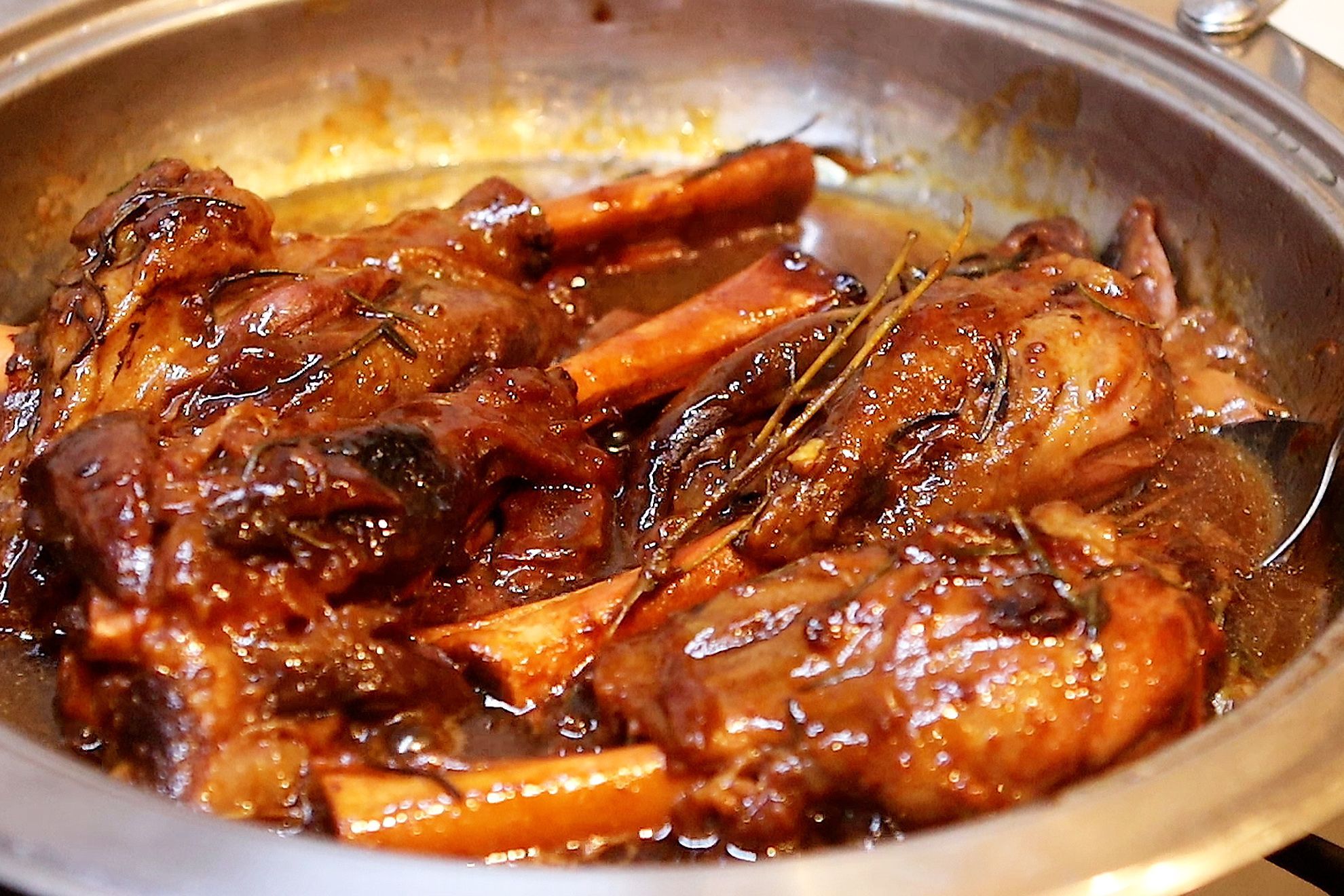
Lamb shanks, with their rich, meaty flavour and incredible tenderness when slow-cooked, are a culinary delight. They embody comfort food, promising a satisfying meal that practically falls off the bone. While often associated with gourmet dining, the slow cooker transforms this impressive dish into an effortless culinary triumph, perfect for a cosy weeknight dinner or a special gathering with minimal fuss.
The Magic of Slow Cooking Lamb Shanks
Lamb shanks are derived from the lower part of the leg, a muscle that works hard, making the meat inherently tough. This toughness, however, is a blessing in disguise for slow cooking. The sustained, low heat of a slow cooker gently breaks down the connective tissues and collagen over hours, transforming what would otherwise be a chewy cut into succulent, melt-in-your-mouth perfection. The long cooking process also allows the flavours of your braising liquid and aromatics to deeply infuse the meat, resulting in a dish with incredible depth and complexity.
Beyond the tenderness, slow cooking offers unparalleled convenience. Once the initial preparation is done, you can essentially “set it and forget it,” leaving your slow cooker to work its magic while you go about your day. This hands-off approach makes lamb shanks an ideal meal for busy schedules, as you can wake up to the aroma of a delicious dinner simmering away.
Selecting Your Lamb Shanks
Choosing the right lamb shanks is the first step to a successful slow-cooked meal. Look for shanks that are large and meaty, as they will shrink somewhat during the cooking process. Marbling the small streaks of fat within the muscle is also a good indicator of flavour and juiciness. Fresh lamb shanks should have a pleasant, pinkish-red hue. While often found in supermarkets, your local butcher is an excellent resource for quality cuts and can even “french” the shanks for you (trimming the meat from the end of the bone for a neater presentation, though this is purely aesthetic for a slow cooker).
Essential Ingredients for a Rich Braising Liquid
The braising liquid is the heart of your slow-cooked lamb shanks, providing moisture, flavour, and the base for a delicious sauce. While variations abound, a classic and robust liquid typically includes:
- Aromatics: Onions, carrots, and celery form the classic “mirepoix,” providing a sweet and savoury foundation. Garlic is another indispensable addition for its pungent flavour.
- Liquid Base:
- Red Wine: A full-bodied red wine (like Cabernet Sauvignon, Merlot, or Shiraz) is a popular choice. The alcohol evaporates during the long cooking process, leaving behind a deep, rich flavour that perfectly complements the lamb. Don’t feel the need to use an expensive bottle; a good quality, drinkable wine is sufficient.
- Beef or Chicken Stock: A good quality stock (homemade or store-bought, low-sodium is often preferred to control saltiness) is essential for adding savoury depth and ensuring sufficient liquid for braising.
- Canned Tomatoes: Crushed, diced, or even whole peeled tomatoes contribute acidity and a rich umami flavour to the sauce. Tomato paste further concentrates this tomato goodness.
- Herbs and Spices: Rosemary and thyme are classic pairings for lamb, their earthy, aromatic notes enhancing the meat’s natural flavour. Bay leaves also add a subtle complexity. Spices like cumin, coriander, and cinnamon can introduce a beautiful, warming aroma, especially if you’re aiming for a more Mediterranean or Middle Eastern-inspired flavour profile.
- Optional Enhancements:
- Balsamic Vinegar: A splash of balsamic vinegar can add a touch of sweetness and tang, balancing the richness of the dish.
- Redcurrant Jelly or Honey: A small amount can enhance the sweetness and depth of the sauce, particularly if using red wine.
- Anchovies: While seemingly unusual, a couple of anchovies can melt into the sauce, adding a profound umami without a fishy taste.
The Preparation: Key Steps for Maximum Flavour
While the slow cooker does most of the heavy lifting, a few initial steps significantly elevate the flavour of your lamb shanks:
- Trimming (Optional but Recommended): While not strictly necessary, trimming any excessive fat from the shanks can prevent the final sauce from being overly greasy. A little fat, however, is desirable for flavour and moisture.
- Generous Seasoning: Lamb shanks are robust, so don’t be shy with salt and freshly ground black pepper. Season them liberally on all sides.
- Searing the Shanks: This is arguably the most crucial step for flavour development. In a heavy-based pan or skillet (or directly in your slow cooker if it has a sauté function), heat a little olive oil over medium-high heat. Brown the lamb shanks on all sides until deeply golden. This caramelisation creates a rich, complex flavour that permeates the entire dish. Remove the browned shanks and set them aside.
- Sautéing Aromatics: In the same pan with the lamb drippings, sauté your chopped onions, carrots, and celery until softened and lightly caramelised. Add minced garlic and cook for another minute until fragrant. This step builds the flavour base for your sauce.
- Deglazing and Building the Sauce: If using red wine, pour it into the hot pan and scrape up any browned bits from the bottom with a wooden spoon. This “deglazing” process incorporates all those delicious browned flavours into your sauce. Stir in the tomato paste, followed by the stock, canned tomatoes, and your chosen herbs and spices. Bring the mixture to a gentle simmer.
Assembling and Slow Cooking
Once your flavourful sauce base is ready, it’s time to assemble your slow cooker:
- Arrange the Shanks: Carefully place the seared lamb shanks into the slow cooker, ensuring they fit snugly.
- Pour Over the Sauce: Pour the simmering braising liquid over the shanks. The liquid should at least partially submerge the shanks.
- Set and Forget: Place the lid on your slow cooker and set it to the appropriate cooking time.
-
- Low Setting: Typically 7-9 hours, sometimes up to 12 hours for larger shanks or if you prefer them exceptionally tender.
- High Setting: Usually 4-6 hours. While quicker, the “low and slow” approach often yields the most tender results.
Important Note: Avoid lifting the lid during the cooking process, especially in the first few hours, as this releases heat and moisture, extending the cooking time.