
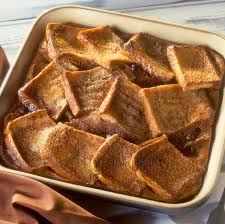
Bread and Butter Pudding is a timeless dessert born out of British frugality, known for turning leftover or stale bread into something wonderfully indulgent. It’s warm, custardy, soft in the centre, and golden-crisp on top a perfect balance of textures and flavours.
Whether you’re making it for Sunday lunch, a family dinner, or simply to use up some leftover bread, this dessert is an easy, budget-friendly option that never fails to satisfy. The best part? It’s endlessly customisable with ingredients you likely already have on hand.
In this guide, we’ll explore the classic recipe step-by-step, followed by variations, pro tips, and creative twists to keep your bread and butter pudding exciting every time you bake it.
What Is Bread and Butter Pudding?
Bread and butter pudding is a baked dessert made by layering slices of buttered bread in a dish and covering them with a sweet egg-and-milk custard. It’s then baked until golden and slightly crispy on top while remaining soft and custardy underneath.
It originated in 18th-century England as a way to use stale bread, but has since become a classic dessert in many homes across the UK, Australia, and beyond.
Classic Bread and Butter Pudding Recipe (Serves 4–6)
Ingredients:
- 6–8 slices of day-old white bread (or brioche, challah, etc.)
- 2 tablespoons unsalted butter (softened)
- 1/2 cup sultanas or raisins
- 3 eggs
- 2 cups full cream milk
- 1/2 cup thickened cream (optional, for richness)
- 1/3 cup caster sugar
- 1 teaspoon vanilla extract
- 1/2 teaspoon ground cinnamon (optional)
- A pinch of salt
Optional Toppings:
- Icing sugar for dusting
- Custard or cream for serving
- Grated nutmeg or extra cinnamon on top
Step-by-Step Instructions
Step 1: Preheat and Prepare
Preheat your oven to 170°C (150°C fan-forced). Lightly grease a medium baking dish (about 1.5-litre capacity) with butter.
Step 2: Prepare the Bread
Butter each slice of bread on one side. If the crusts are hard or dry, you can remove them, but leaving them on adds texture. Cut the bread into triangles or quarters, whichever fits your baking dish better.
Layer the buttered slices into the dish, slightly overlapping each other. Sprinkle sultanas or raisins between the layers as you go.
Step 3: Make the Custard
In a mixing bowl, whisk together the eggs, milk, cream (if using), caster sugar, vanilla extract, salt, and cinnamon until well combined.
Tip: For a smoother custard, strain the mixture through a sieve before pouring over the bread.
Step 4: Soak the Bread
Slowly pour the custard mixture over the bread layers, making sure all the pieces are evenly soaked. Lightly press the bread down with a spatula or the back of a spoon to help it absorb the liquid.
Let the pudding rest for 15–20 minutes at room temperature to allow the custard to fully soak into the bread.
Step 5: Bake
Sprinkle a little extra sugar or cinnamon on top if desired. Bake in the preheated oven for 35–45 minutes, or until the top is golden brown and the custard is set. The centre should be soft but not liquidy.
To test, insert a knife into the centre—it should come out clean with no runny custard.
Step 6: Serve
Let the pudding cool slightly before serving. It’s best served warm with pouring cream, custard, vanilla ice cream, or even just a dusting of icing sugar.
Delicious Variations
Bread and butter pudding is extremely adaptable. Here are some popular and delicious twists:
1. Chocolate Chip Bread and Butter Pudding
Sprinkle chocolate chips between the bread layers instead of raisins. Serve with chocolate sauce for extra indulgence.
2. Apple Cinnamon Version
Add thin slices of cooked apple (or stewed apple) between the bread layers and increase cinnamon to 1 tsp. Great with cream or caramel sauce.
3. Berry Bliss
Use raspberries, blueberries, or mixed berries (fresh or frozen) in place of sultanas. Top with slivered almonds for texture.
4. Boozy Bread and Butter Pudding
Soak the raisins in a few tablespoons of rum, brandy, or whisky before adding them to the dish. Adds a warming kick!
5. Brioche or Croissant Version
For an ultra-rich pudding, substitute plain bread with sliced brioche, croissants, or panettone. These bread types add a buttery sweetness and a soft, custardy finish.
Tips for Success
- Use stale bread: Fresh bread doesn’t soak up custard as well. Leave slices out for a few hours or lightly toast them if needed.
- Don’t overbake: The custard can curdle if overcooked. Remove from the oven when the top is golden and the middle is just set.
- Rest before baking: Letting the bread soak in custard before baking ensures an even texture.
- Use quality ingredients: Since the recipe is simple, quality milk, eggs, and vanilla really shine through.
Serving Suggestions
Bread and butter pudding is versatile enough to be served in different ways:
- Hot from the oven with a scoop of vanilla ice cream or pouring custard.
- Chilled, with whipped cream and a berry coulis.
- Reheated, it makes a delicious breakfast the next day!
You can also turn leftovers into a base for French toast by pan-frying thick slices of pudding.
Make-Ahead and Storage Tips
This pudding can be prepped ahead and baked later, making it perfect for entertaining or meal planning.
To Make Ahead:
- Assemble the pudding and refrigerate (unbaked) for up to 12 hours. Let it come to room temperature before baking.
Storage:
- Store leftovers in the fridge for up to 3 days. Cover with foil to prevent drying out.
- Reheat individual portions in the microwave or reheat the whole pudding in a low oven.
Freezing:
- Bread and butter pudding freezes well. Cool completely, wrap tightly, and freeze for up to 1 month. Thaw overnight in the fridge before reheating.
Nutritional Information (Approximate per serving)
- Calories: 320–400 kcal
- Protein: 8–10g
- Carbohydrates: 35–45g
- Fat: 15–20g (varies with cream and butter amounts)
For a lighter version, use low-fat milk, skip the cream, and reduce the sugar slightly.
Why We Love Bread and Butter Pudding
This dessert is a brilliant combination of:
- Affordability – Uses everyday ingredients
- Simplicity – Easy enough for beginners
- Comfort – Warm, nostalgic, and satisfying
- Versatility – Accepts endless flavour variations
Whether you’re serving it after a Sunday roast or enjoying it with your morning coffee the next day, bread and butter pudding is always a crowd-pleaser.
Conclusion
Bread and Butter Pudding is a humble dessert that continues to stand the test of time. With its creamy custard, buttery layers, and golden top, it’s proof that simple ingredients can create extraordinary results. Whether you’re sticking with the traditional version or experimenting with modern twists, this is a dessert that brings warmth to every occasion.
So next time you’ve got a few slices of bread lying around, don’t toss them transform them into a dish that’s worthy of second helpings and fond memories.


